Unlock Instant Connectivity Now: Switch to the Best eSIM Card for Travel
An eSIM card is a tiny, embedded chip inside your phone that replaces the physical plastic SIM, letting you switch carriers or add a data plan without ever handling a piece of hardware. Because it’s built into your device, you can instantly scan a QR code or tap an app to activate a new service—no waiting for a SIM to arrive in the mail. This means you can keep your primary number while adding a local plan when traveling, giving you genuine flexibility and peace of mind without the hassle of swapping cards. And if you lose your phone or want to jump between networks, you simply manage everything from your settings menu, saving you time and reducing clutter.
What Exactly Is an Embedded SIM and How Does It Differ From a Physical One?
An embedded SIM (eSIM) is a chip soldered directly onto your device’s motherboard, eliminating the removable plastic card. A physical SIM is a tangible, swappable card you insert into a tray. The eSIM’s key difference is that it’s reprogrammable via software, so you can download and switch carrier profiles without touching hardware. For practical use, you scan a QR code or use an app to activate a plan, while a physical SIM requires physically swapping cards. Q: Can I move an eSIM between phones instantly? A: No—you must transfer the profile via the carrier’s app or re-download it on the new device. eSIMs also free up internal space, enabling slimmer designs and easier multi-network management, but they’re less useful if you frequently swap devices or travel with an unlocked, carrier-locked phone.
The Core Difference: Soldered Chip vs. Removable Plastic Card
The core difference between an eSIM and a physical SIM is the medium itself: a traditional SIM is a removable plastic card you insert into a tray, while an eSIM is a soldered chip permanently attached to your device’s motherboard. This structural change eliminates the physical slot entirely, so you cannot swap the chip between phones by hand. Instead, the soldered chip stores the same subscriber credentials digitally, and switching carriers requires rewriting the chip’s profile via software, not swapping plastic. For the user, the plastic card offers instant physical transfer across devices, whereas the soldered chip locks the profile to one device unless you re-download it. The removable card can be lost or damaged; the soldered chip is fixed, safer, and frees internal space.
Why Your Next Phone Might Not Have a SIM Tray at All

Your next phone might not have a SIM tray because manufacturers can reclaim that internal space for larger batteries or advanced cooling systems, directly improving daily performance. Without a physical slot, the device gains a fully sealed chassis, which dramatically enhances water and dust resistance—a tangible benefit you feel the moment you drop it in a puddle. Switching carriers or travel plans no longer requires hunting for a pin or swapping fragile plastic; you simply scan a QR code or enter a confirmation code, and your profile activates in minutes. This shift means carrier switching becomes instant and fully digital, eliminating the wait for a physical card to arrive. The tray itself, a point of mechanical failure, disappears entirely, removing a common hardware vulnerability from your everyday device.
No tray means a stronger, water-resistant phone with instant carrier changes and more room for hardware you actually use.
How Does the Activation Process Work for a Digital Profile?
The activation process for an eSIM digital profile begins when your carrier provides a QR code or confirmation code, typically via email or their app. You scan this code with your device’s camera, and the phone securely downloads the encrypted profile data directly into its embedded SIM chip. Within seconds, the profile installs, and you must assign it a line label (e.g., “Travel” or “Work”). No physical card is inserted—the entire process is software-driven, and you can switch between multiple profiles by toggling them in your settings, with the active profile connecting to the network immediately. Activation is complete once the device verifies the profile’s credentials against the carrier’s server. In short: scan, install, and connect—your digital identity is live without touching a SIM tray. Q: What if I lose the QR code? A: You can re-download the profile from your carrier’s portal, as long as your device remains linked to your account.
Scanning a QR Code vs. Manual Entry: Step-by-Step Setup
For eSIM activation, QR code scanning is the faster path: open your device’s cellular settings, select “Add eSIM,” scan the carrier-provided QR, and confirm the profile within a minute. Manual entry requires navigating to the same menu, choosing “Enter Details Manually,” then typing the activation code, SM-DP+ address, and confirmation code—data prone to transcription errors. The critical difference lies in error tolerance: QR eliminates typos, whereas manual entry demands precise character matching, especially for long alphanumeric strings. Manual entry works offline if you have the printed code, but it lengthens setup time by roughly two to four minutes. After either method, restart the device to finalize network registration.
Scanning a QR code is quicker and error-free, while manual entry suits offline scenarios but requires careful transcription of multiple activation fields.

Can You Switch Carriers Instantly Without Visiting a Store?
Yes, you can switch carriers instantly without visiting a store, provided your device is unlocked and supports eSIM. The entire process hinges on downloading a new carrier’s digital profile—typically via a QR code or carrier app—then assigning that eSIM as your active line. Instant carrier switching via eSIM requires that your phone remains connected to Wi-Fi during the profile download, and that the new carrier validates your eligibility in real time. However, if your current carrier has locked the device to its network, the switch will fail until you request an unlock remotely. After activation, the old profile can be deleted manually, though some carriers retain it for 24 hours to allow rollback.
You can switch carriers without a store visit as long as the phone is unlocked and you can download the new eSIM profile over Wi-Fi, making the swap immediate.
What Are the Biggest Practical Benefits of Going SIM-Less for Travelers?
The biggest practical benefit of going SIM-less is **instant connectivity without airport shop hunts**. With an eSIM card, you scan a QR code before you fly, and data activates as soon as you land. You skip fumbling with tiny SIM trays, losing your home SIM, or hunting for a local vendor. Another major win is **multi-profile flexibility**—you can store several country-specific plans on one eSIM card and switch in seconds via settings, avoiding roaming fees. Plus, you keep your main number active for calls and texts while using cheap local data. Finally, no physical swap means your phone stays sealed and dust-proof, perfect for outdoor or beach-heavy trips.
Keeping Your Primary Number Active While Using a Local Data Plan
Keeping your primary number active while using a local data plan is the ultimate travel hack with an eSIM. You simply pop in a local data eSIM for browsing and navigation, while your home number stays on your physical SIM for calls and texts. This means no swapping cards, no missed banking OTPs, and no awkward “I’m abroad” voicemail messages. Your primary number remains fully reachable for two-factor authentication and family emergencies, all without paying roaming rates for data. It’s a seamless dual-life setup where your work number stays alive, but your wallet stays happy.
- Receive verification codes and WhatsApp calls on your usual number.
- Avoid telling friends and colleagues you’re “temporarily unreachable.”
- Switch back to home data instantly if your local plan runs out.
Avoiding Roaming Fees: How to Buy and Install a Regional Data Package in Minutes
Avoiding roaming fees is as simple as grabbing a regional data package through your eSIM, and you can do it in minutes. Before you board, open your provider’s app or a marketplace like Airalo, pick a plan covering your destination countries, and pay with a card. Then, scan the QR code or tap to install the eSIM profile—it takes under two minutes, and you’ll have a local connection the moment you land. Just make sure your phone is unlocked and that you switch cellular data to the new eSIM while keeping your home line for calls. This way, you dodge those nasty daily charges without hunting for a physical SIM or a Wi-Fi hotspot. Regional data packages eliminate roaming fees because you’re using a local network’s rates, not your carrier’s markups.
Managing Multiple Numbers on One Device Without Carrying Extra Plastic
Juggling a work line, a personal number, and a travel sim used to mean swapping physical cards or carrying a second phone. With an eSIM, you can store multiple profiles directly on your device, switching between them in seconds via your settings menu. This lets you keep your home number active for banking OTPs while using a local data plan for navigation—all without ever opening a SIM tray. The result is seamless multi-profile management that eliminates the pocket bulge of extra plastic, turning your single handset into a dynamic, region-agnostic communication hub. Dual active lines mean you never miss a call, yet you control exactly which number burns data.
eSIM erases the need for extra plastic, letting travelers instantly switch between multiple numbers on one device while keeping critical lines alive.
How to Choose the Right Digital SIM Plan for Your Specific Needs

Your eSIM choice begins with mapping your actual habits, not the loudest ad. For a frequent traveler, a regional data package with flexible top-ups beats a massive single-country bundle, while a remote worker needs a plan that prioritizes stable multi-network access over sheer gigabyte count. Ask yourself where you’ll really use it: a week of city hopping means you need short validity and easy recharging, but a month-long project abroad demands a plan with unlimited throttled data after your high-speed cap. Check the eSIM’s support for hotspot sharing if you’ll tether a laptop, and verify that your phone’s IMEI is unlocked before paying. Finally, choose a provider with an app-based dashboard to monitor usage in real time, so you never face a dead signal mid-commute—that’s the practical test of any digital SIM.
Data-Only vs. Voice-and-Data Profiles: What Do You Actually Need?
Choosing between a data-only eSIM profile and a voice-and-data bundle boils down to how you actually use your phone abroad. If your communication lives entirely in WhatsApp, iMessage, or Zoom calls, a data-only profile BazTel is leaner, cheaper, and simpler to activate—you get a local IP and bypass carrier voice rates. But if you need a traditional phone number for banking OTPs, booking confirmations, or calling local businesses that don’t answer VoIP, you must prioritize voice-and-data. Before buying, ask yourself: can I survive without a dialer? For most travelers, yes. For digital nomads managing clients, no. Your decision sequence is simple:
- Audit your last trip’s call log for genuine voice usage.
- Check if your destination’s essential services accept VoIP numbers.
- Compare eSIM prices per GB against per-minute voice costs.
Checking Device Compatibility: Which Phones, Tablets, and Smartwatches Support It?
Before purchasing a digital SIM plan, verify your device’s compatibility, as eSIM support varies widely across models. Most recent flagship phones from Apple (iPhone XS and newer), Google Pixel (3 and newer), and Samsung Galaxy (S20 and newer) include built-in eSIM slots, but budget or older models often lack the hardware. Tablets like the iPad Pro, iPad Air, and iPad mini (cellular versions) support eSIM, while many Windows tablets do not. For smartwatches, check that your specific watch model—such as the Apple Watch Series 3 or later, or Samsung Galaxy Watch 4 and newer—offers standalone eSIM functionality, not just Bluetooth tethering. Always confirm with your carrier’s IMEI checker, as some regional variants disable eSIM even if the hardware exists. Verifying eSIM support before purchase prevents plan activation failures and wasted costs.
Q: Can I use an eSIM plan on any unlocked phone?
No—only phones with a physical eSIM chip and carrier-unlocked firmware can activate a digital plan; otherwise, you’ll need a physical SIM instead.
Comparing Pricing and Validity Length Across Different Providers
When comparing eSIM providers, pricing and validity length must be weighed together, as a cheap daily rate often hides a short expiration window that forces top-ups. For frequent travelers, a 30-day regional plan at $25 may beat a 10-day global option at $15 if your trip exceeds a week. Check whether price scales linearly with days; some providers offer steep discounts for 90-day packages, while others cap validity at 30 days regardless of data volume. Always verify activation date—a plan purchased today but activated next week should not tick down prematurely. Cross-reference per-day costs for your exact trip duration, not advertised headline prices. Question: When comparing pricing and validity length, should I prioritize the lowest total cost or the longest duration for my exact travel dates? Prioritize total cost for your specific dates; an unused week of validity is waste if the plan expires before return.
What Are the Common Pitfalls and How Do You Troubleshoot Them?
The most common pitfall occurs mid-trip when the eSIM shows “No Service” after you land, often because automatic network selection fails to latch onto the local carrier. I’ve watched travelers panic at baggage claim, convinced their phone is bricked, when the fix is simple: manually choose your home network’s partner—go to Settings > Cellular > Network Selection and toggle off “Automatic,” then pick the listed provider from your activation email. Another frequent snag is installing the eSIM before arrival, which can trigger a profile error if you’re outside the coverage zone; delete the profile and re-scan the QR code once you’re physically in the country. Lastly, if data works but calls drop, check that the eSIM line is set as “Primary” for voice, or you’ll be routing calls through your dead physical SIM—a ten-second swap that saves the day.
What to Do When the Profile Won’t Download or Activate
When an eSIM profile stalls during download or activation, first force a stable Wi-Fi connection and disable any VPN, as intermittent networks corrupt the installation. Restart your device completely, then rescan the QR code from your carrier’s email or app—never reuse an expired link. If the profile appears but won’t activate, check that your phone’s carrier settings are updated under *Settings > General > About*; a pending update often blocks the handshake. As a last resort, **delete the partial profile** from your eSIM manager, reboot, and request a fresh QR code from your carrier, as old codes are single-use.
- Toggle airplane mode on for 30 seconds to refresh network registration before retrying activation.
- Confirm the eSIM’s ICCID matches your device’s serial in the carrier portal—mismatches cause silent failures.
- Manually enter the SM-DP+ address if the QR scan fails, typically found in your carrier’s activation email.
- Clear your device’s network settings only if other steps fail, then re-add the profile from scratch.
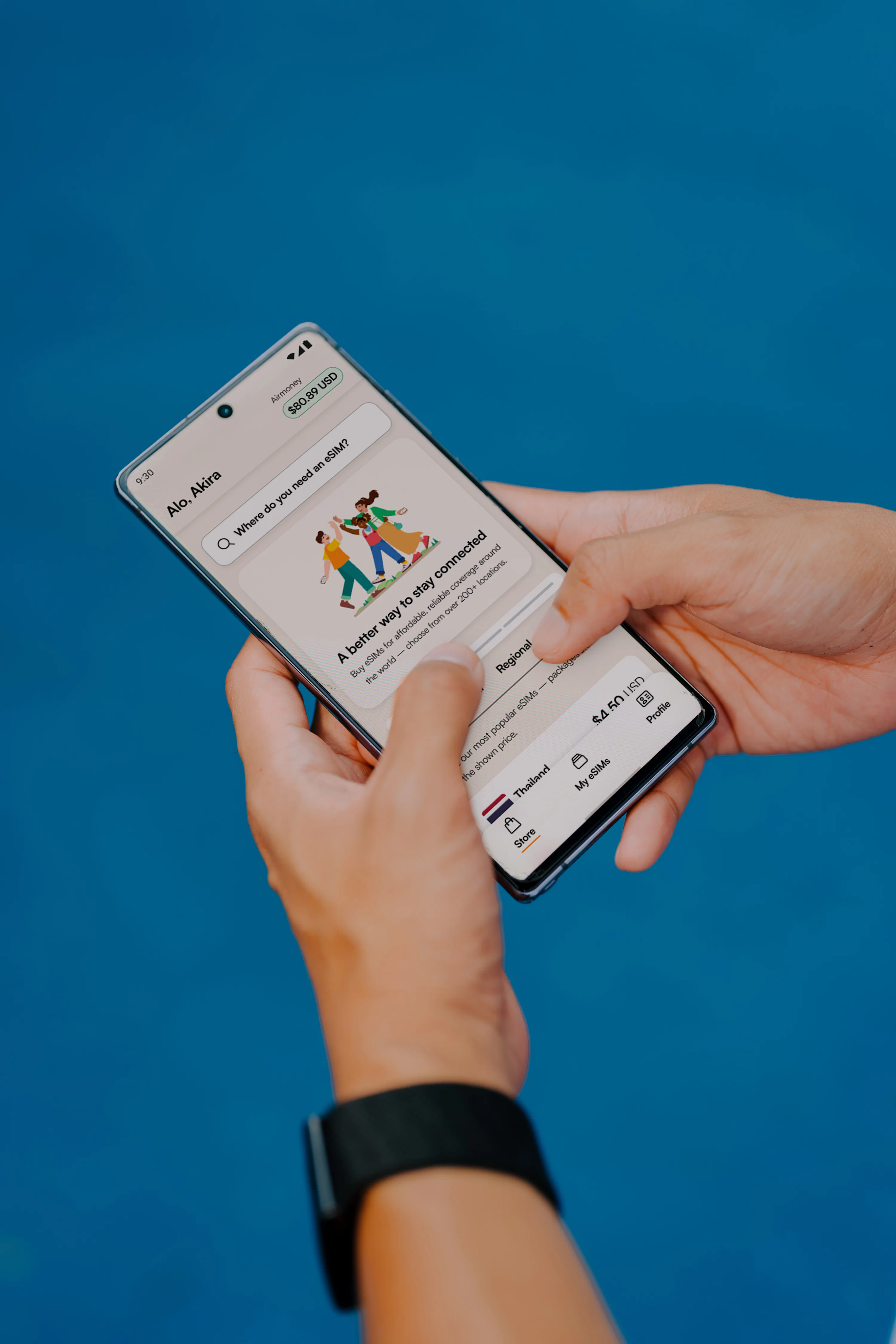
How to Safely Delete an Old Profile and Free Up Storage on the Chip
To safely delete an old eSIM profile, first ensure you have a stable Wi-Fi connection, as removing a profile while roaming can sever your only active line. Navigate to your device’s cellular settings, locate the profile under “eSIM” or “Mobile Plans,” and select “Remove Cellular Plan.” Confirm the deletion; the chip’s storage is immediately reclaimed. Avoid factory resets unless you have backed up your QR code or activation details, as this can orphan profiles. If deletion fails, restart the device and retry, or update carrier settings. Freeing up eSIM chip storage is only possible by removing unused profiles, as the chip’s memory is fixed.

Q: How do I free up storage on the eSIM chip after deleting a profile?
A: Deletion is instant—the space is freed automatically. You cannot manually “defragment” an eSIM; once removed, the profile’s data is erased, and the slot becomes available for a new scan. Verify by checking the “Available eSIMs” list, which should reflect the reduced count.
Can You Transfer Your Digital Number to a New Handset Without Losing Data?
Yes, you can transfer your digital number to a new handset without losing data, but the process depends on your carrier’s support for eSIM quick transfer or a QR-code re-download. First, ensure your old device is backed up, then use the carrier’s app or settings menu to initiate the transfer; your contacts and iMessage/WhatsApp history remain intact if you migrate via cloud backup or device-to-device migration tools. If the eSIM profile fails to activate, scan the original QR code again or contact support to re-issue it. However, deleting the eSIM from your old phone before the new one is active can permanently lock you out of the number. Always complete the activation on the new handset first.